
FHES / APPLICATION
Wine and cap manufacturing
Integrate coding, reading and upstream/downstream relationships into cap and wine packaging projects.
Watch application videoPlastic caps / metal caps / wine packaging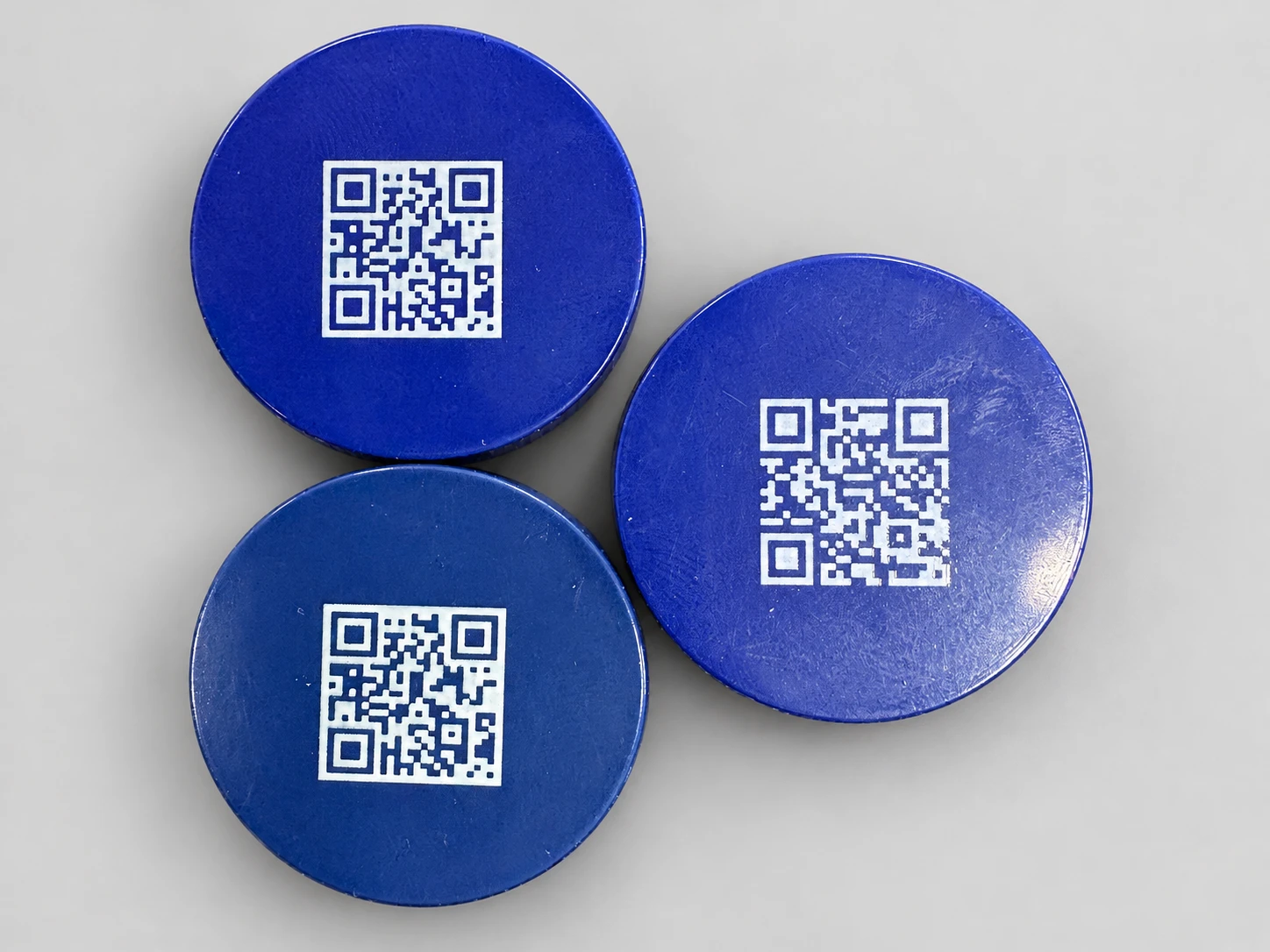
01 / MARKING + MATERIAL
Marking content and substrates
Plastic caps / metal caps / wine packaging
Marking content
Batch codes, QR codes, promotional codes and linked codes.
Substrate and process priorities
Review space and orientation for cap tops, interiors and bottles. Define data sources, two-sided relationships and ink durability for the project.
02 / PIJ + VISION INSPECTION
Printing configuration and inspection
Printing and project configuration
Choose ink, printhead and ink supply with actual samples. Use EasyPrint for graphics and variable data, then integrate and validate equipment for size, orientation, speed and installation space.
Inspection and customer benefits
Verify content and readability and establish project-specific code relationships to support traceability, authenticity queries and promotional systems.
03 / APPLICATION IN ACTION
See the printing process
See continuous marking, code content and line operation in application footage.
PIJ / APPLICATION VIDEO
Wine and cap manufacturing application video
- Application
- Plastic caps / metal caps / wine packaging
- Marking content
- Printed markings shown in the footage
- Video focus
- Printing process, marking results and line operation
04 / PRODUCT SYSTEMS
Selection and technology links
Discuss a practical configuration based on the substrate, line speed and inspection requirements.
APPLICATION TEST / FHES
Sample testing and selection advice
Prepare substrate or sample photos, print content, character or code dimensions, target line speed, print orientation and inspection requirements. Email sample and line photos to discuss testing and configuration with FHES.
Tests assess adhesion, readability, printing stability and line throughput. Equipment, inks and inspection rules depend on sample validation and project configuration.